 admin
admin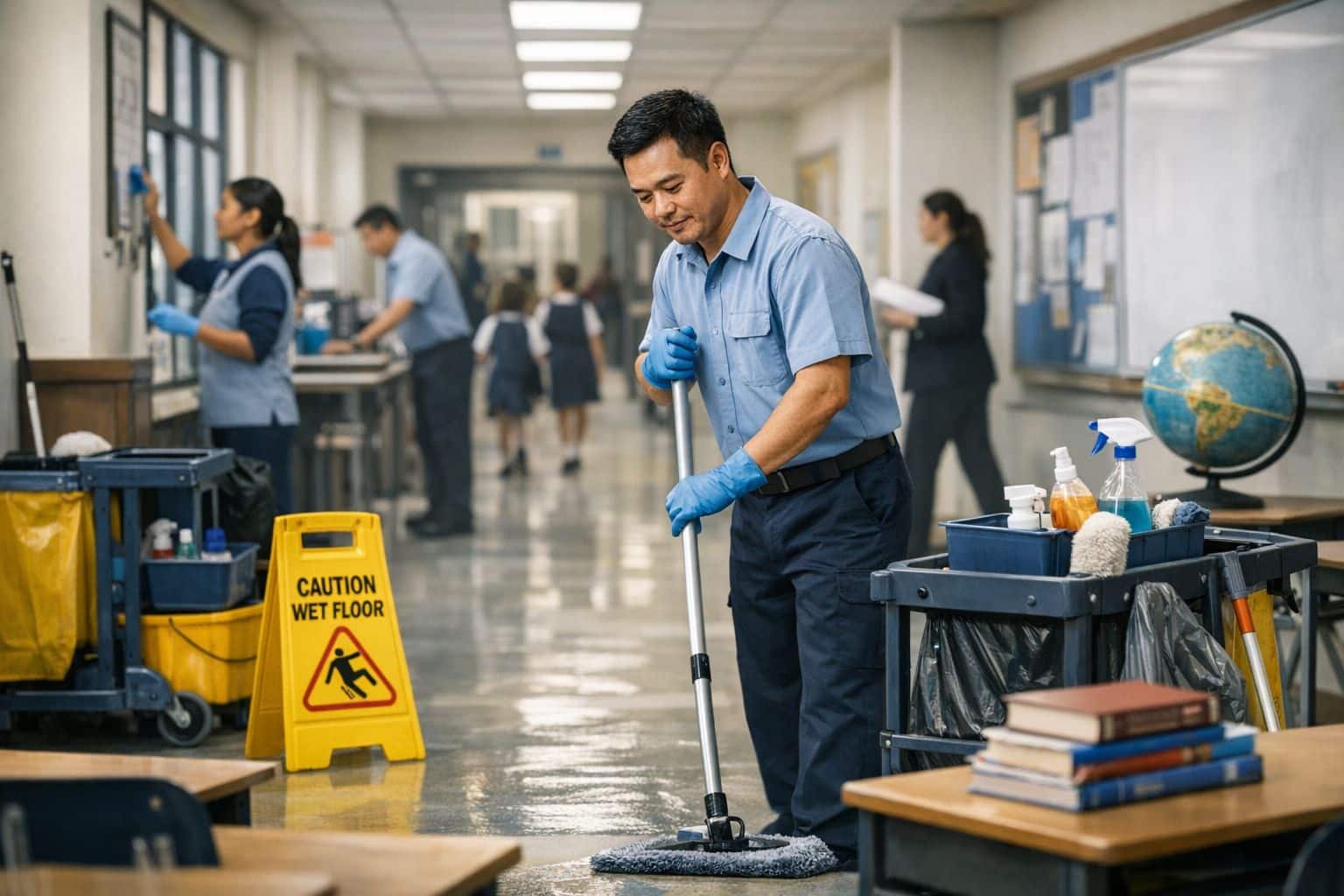
Building Dignity Through Work: The Essential Role of Cleaners in Modern Institution
In today’s fast-paced and highly structured societies, the importance of cleanliness often goes unnoticed until it is absent. Behind every well-maintained school, office, hospital, or public facility is a team of dedicated individuals who ensure that environments remain safe, hygienic, and conducive to productivity. Among these essential workers are general cleaners, whose roles extend far beyond sweeping floors and emptying bins. They are the silent guardians of public health, order, and comfort.
The job opportunity for a General Cleaner in a school setting, particularly in a structured environment such as Tampines in Singapore, reflects more than just a routine occupation. It represents a critical function in maintaining educational ecosystems where students, teachers, and staff can thrive. This article explores the broader significance of such roles, the responsibilities involved, the values required, and the long-term impact of this profession on both individuals and society.
The Value of Cleanliness in Educational Environments
Schools are dynamic environments filled with constant activity. Hundreds, sometimes thousands, of students pass through classrooms, corridors, and shared facilities daily. Without proper maintenance, these spaces can quickly become breeding grounds for germs, clutter, and disorganization. Cleaners play a crucial role in preventing this.
A clean school is not just visually appealing. It contributes directly to student health, reduces absenteeism, and enhances focus and learning outcomes. Studies have shown that students perform better in environments that are clean and well-maintained. Cleanliness also instills discipline and respect among students, encouraging them to take pride in their surroundings.
General cleaners ensure that classrooms are free from dust, floors are sanitized, restrooms are hygienic, and communal areas are orderly. Their work creates an invisible yet powerful foundation upon which education is built.
Understanding the Role of a General Cleaner
The position of a General Cleaner involves a wide range of responsibilities that require consistency, attention to detail, and physical stamina. While the job may appear straightforward, it demands a high level of discipline and reliability.
Daily cleaning tasks typically include sweeping, mopping, vacuuming, and disinfecting surfaces. In a school setting, this may extend to cleaning classrooms, hallways, staff rooms, and restrooms. The cleaner must ensure that these areas meet hygiene standards at all times.
Another key aspect of the role is handling varied work areas. Cleaners may be required to maintain both indoor and outdoor spaces, including corridors, storage areas, and open compounds. This diversity in work environments requires adaptability and awareness of different cleaning techniques.
In addition to routine cleaning, cleaners often perform support tasks such as disposing of waste properly, replenishing cleaning supplies, and operating basic cleaning equipment. These responsibilities contribute to the overall efficiency and functionality of the institution.
Work Structure and Routine
The structured work schedule of a General Cleaner provides stability and predictability. A typical arrangement might involve working five and a half days a week, with weekday shifts from morning to late afternoon, and a shorter shift on Saturdays.
This schedule allows cleaners to maintain a balanced routine while ensuring that facilities are cleaned consistently. The early start time ensures that most cleaning tasks are completed before peak activity hours, minimizing disruption to daily operations.
Working in a fixed location such as Tampines also provides a sense of familiarity and belonging. Over time, cleaners become an integral part of the institution, forming relationships with staff and becoming familiar with the specific needs of the environment.
The Importance of Reliability and Discipline
One of the most critical qualities required for a cleaner is reliability. Cleaning is not a task that can be postponed without consequences. A missed day or incomplete work can lead to immediate deterioration in cleanliness standards, affecting everyone who uses the space.
Punctuality is equally important. Cleaners often work on tight schedules to ensure that areas are ready before they are used. Arriving on time and completing tasks efficiently ensures that the entire system functions smoothly.
Employers seek individuals who can be depended upon to perform their duties consistently without constant supervision. This level of trust is built through discipline, responsibility, and a strong work ethic.
Attention to Detail and Professional Standards
Cleaning is not just about completing tasks; it is about achieving a standard of excellence. Attention to detail distinguishes a good cleaner from an exceptional one. It involves noticing areas that require extra care, ensuring that surfaces are thoroughly cleaned, and maintaining consistency in quality.
For example, a classroom may appear clean at a glance, but a detail-oriented cleaner will ensure that desks are properly wiped, corners are free from dust, and floors are evenly cleaned. This level of precision contributes to a truly hygienic environment.
Professional standards also involve understanding the correct use of cleaning materials and equipment. Using the right products for different surfaces ensures effectiveness while preventing damage. Cleaners must also follow safety guidelines to protect themselves and others.
The Physical and Mental Aspects of the Job
The role of a General Cleaner is physically demanding. It involves standing for long periods, lifting equipment, and performing repetitive movements. Physical stamina and resilience are essential for maintaining productivity throughout the day.
However, the job also requires mental focus. Cleaners must manage their time effectively, prioritize tasks, and ensure that all responsibilities are completed within the given schedule. This combination of physical and mental effort makes the role both challenging and rewarding.
Despite the demands, many cleaners find satisfaction in their work. The visible results of their efforts provide a sense of accomplishment. A clean and orderly environment is a direct reflection of their dedication and hard work.
Economic Stability and Career Opportunities
The salary range offered for a General Cleaner reflects a stable and reliable source of income. While it may not be considered a high-paying profession, it provides financial security and opportunities for growth.
For many individuals, this role serves as an entry point into the workforce. It offers a chance to develop essential skills such as discipline, teamwork, and responsibility. Over time, cleaners may advance to supervisory roles or specialize in areas such as facility management.
The demand for cleaning services is constant and universal. Every organization requires maintenance, making this profession highly stable and resistant to economic fluctuations. This stability makes it an attractive option for individuals seeking long-term employment.
The Human Side of Cleaning Work
Behind every cleaner is a person with aspirations, challenges, and a desire to contribute meaningfully to society. Recognizing the human aspect of this profession is essential in fostering respect and appreciation.
Cleaners often work quietly in the background, without recognition or acknowledgment. However, their contributions are invaluable. They ensure that environments remain safe, comfortable, and functional for everyone else.
Employers who value their cleaning staff create a positive work culture that enhances motivation and job satisfaction. Simple gestures such as respect, communication, and fair treatment can make a significant difference in the lives of these workers.
The Role of Teamwork
Cleaning is rarely a solitary task. It often involves coordination with other team members to cover different areas and ensure efficiency. Teamwork is essential in maintaining consistency and meeting deadlines.
A strong cleaning team operates with mutual support and clear communication. Members understand their roles and collaborate to achieve common goals. This sense of teamwork fosters a positive work environment and enhances overall performance.
In a school setting, cleaners may also interact with teachers, administrative staff, and students. Building respectful relationships with these groups contributes to a harmonious and cooperative atmosphere.
Hygiene and Public Health
The importance of cleaning extends beyond aesthetics. It plays a critical role in public health. Proper cleaning and sanitation prevent the spread of diseases and create safer environments.
In schools, where students are in close contact with one another, maintaining hygiene is particularly important. Cleaners help reduce the risk of infections by ensuring that surfaces are disinfected and waste is managed properly.
The recent global focus on hygiene has further highlighted the importance of cleaning professionals. Their work has become more recognized as an essential service that supports the well-being of entire communities.
Technology and Modern Cleaning Practices
The cleaning industry has evolved significantly with the introduction of new technologies and equipment. Modern cleaners are expected to operate various tools that enhance efficiency and effectiveness.
From vacuum cleaners and floor scrubbers to environmentally friendly cleaning solutions, technology has improved the standards of cleaning. Training in these tools allows cleaners to perform their tasks more effectively and safely.
Employers often provide basic training to ensure that workers are familiar with the equipment and procedures. This not only improves performance but also reduces the risk of accidents.
Ethical Considerations and Data Privacy
In the context of employment, ethical considerations such as data privacy are increasingly important. When applying for a job, candidates are often required to submit personal information.
Organizations must handle this data responsibly and in accordance with privacy policies. Transparency in how information is used and protected builds trust between employers and employees.
Applicants should also be aware of their rights and ensure that they are comfortable with the terms of data handling before submitting their information.
The Application Process and Professional Conduct
Applying for a job as a General Cleaner requires a straightforward but professional approach. Candidates should present themselves as reliable, hardworking, and willing to learn.
Employers typically shortlist candidates based on their suitability for the role. This process ensures that the selected individuals meet the required standards and can perform the job effectively.
Professional conduct during the application process, including punctuality and clear communication, reflects positively on the candidate. Even for roles that do not require advanced qualifications, professionalism remains essential.
Social Perception and Respect for Cleaning Professionals
Despite the importance of their work, cleaners are often undervalued in society. Changing this perception requires collective effort and awareness.
Respecting cleaning professionals means recognizing their contributions and treating them with dignity. It involves acknowledging that their work is essential and deserves appreciation.
Educational institutions, in particular, have an opportunity to instill this respect in students. By promoting awareness and gratitude, schools can foster a culture that values all forms of work.
Personal Growth and Fulfillment
Working as a cleaner can be a source of personal growth and fulfillment. The role teaches discipline, resilience, and responsibility. These qualities are valuable in all aspects of life.
Many individuals take pride in their work, knowing that they are contributing to a larger purpose. The satisfaction of creating a clean and welcoming environment can be deeply rewarding.
Over time, cleaners may develop a strong sense of identity and confidence in their abilities. This personal growth extends beyond the workplace and influences their overall well-being.
Conclusion
The role of a General Cleaner, particularly in a school environment, is far more significant than it may initially appear. It is a profession rooted in responsibility, discipline, and service to the community.
Cleaners ensure that spaces remain safe, hygienic, and conducive to productivity. Their work supports education, public health, and daily operations in countless ways. Despite the challenges, the profession offers stability, opportunities for growth, and a sense of purpose.
Recognizing and valuing the contributions of cleaners is essential in building a more respectful and inclusive society. By understanding the depth and importance of their work, we can appreciate the vital role they play in our daily lives.
In a world where cleanliness is often taken for granted, the dedication of cleaning professionals stands as a testament to the power of consistent, meaningful work.