 admin
admin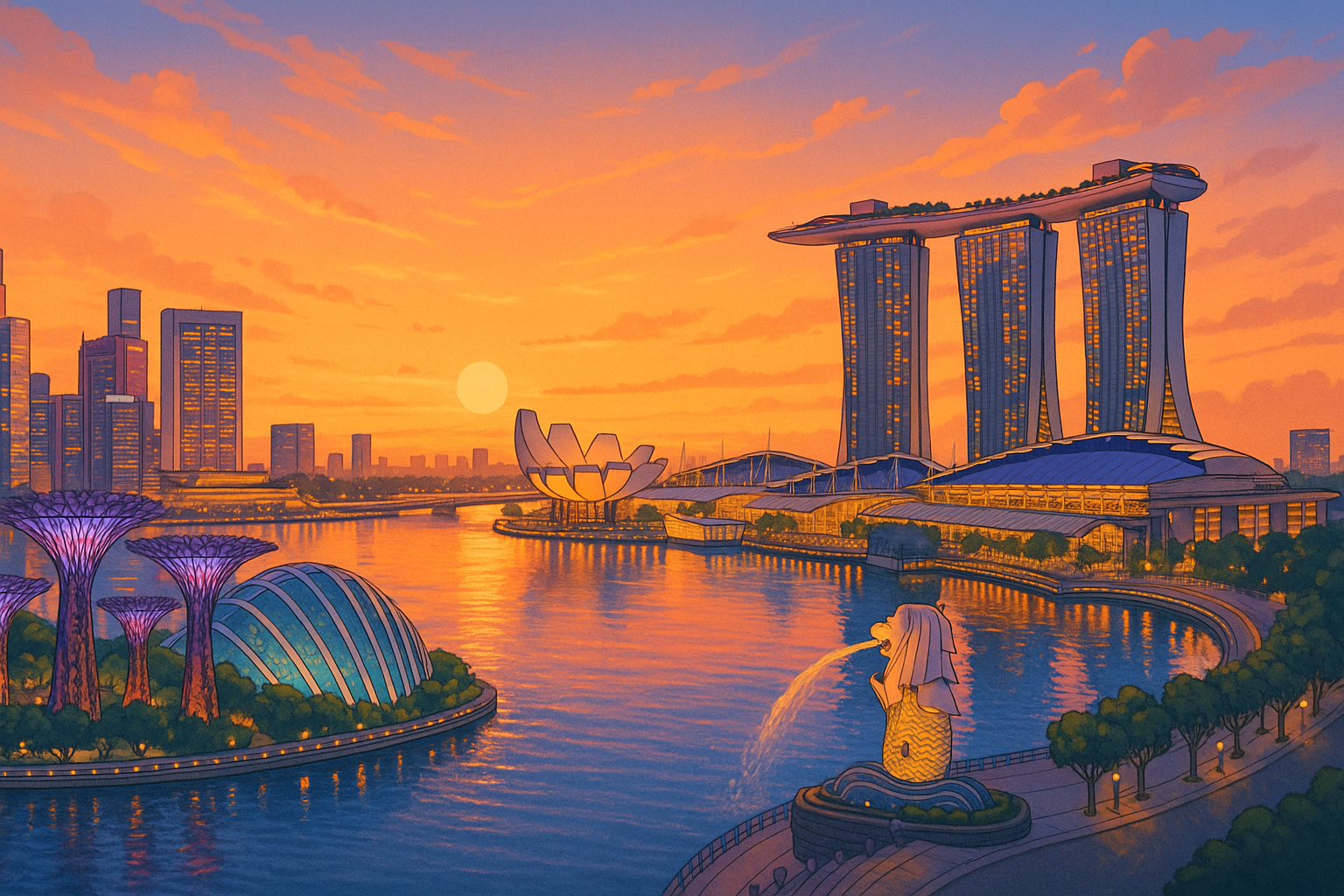
Marina Bay in Singapore is one of the world’s most iconic waterfront districts, a spectacular blend of futuristic architecture, lush green spaces, vibrant cultural attractions, and world-class entertainment. Over the past two decades, the area has transformed from a reclaimed waterfront into a dazzling symbol of Singapore’s global ambition. Today, Marina Bay offers a unique combination of cutting edge urban design, economic vitality, and leisure experiences, attracting millions of visitors each year.
This article explores the history, architecture, major attractions, economic significance, environmental sustainability, and future developments of Marina Bay. It also provides insight into its cultural role, tourism impact, and reasons why it has become one of the most photographed waterfronts in the world.
1. The Vision Behind Marina Bay: From Reclaimed Land to Global Landmark
1.1 The Early Years of Planning
The story of Marina Bay begins with Singapore’s long-term urban vision. As early as the 1960s, Singapore’s planners recognized the need for a larger downtown core. The government embarked on an ambitious land-reclamation project, extending the shoreline to free up space for future urban expansion.
By the 1990s, detailed plans were established for a new district that would embody Singapore’s aspirations: a “City in a Garden” integrating business, living, and recreation.
1.2 Creating a World-Class Waterfront
Marina Bay was designed with several key principles:
1. Open public access to waterfront promenades
2. Iconic architecture to define the skyline
3. Mixed use development supporting business, tourism, and culture
4. Environmental sustainability including green spaces and energy efficient design
5. Flexibility for future growth through modular planning
The result is a seamlessly integrated urban landscape celebrated worldwide.
2. Marina Bay’s Signature Architecture and Urban Design
2.1 Marina Bay Sands
Marina Bay Sands (MBS), opened in 2010, is arguably Singapore’s most iconic building. Designed by legendary architect Moshe Safdie, its three 55-story towers support the SkyPark, a massive rooftop platform featuring the world’s most famous infinity pool.
Key features include:
1. A 2,561-room luxury hotel
2. vast integrated resort and casino
3. The Shoppes at Marina Bay Sands, an upscale retail mall
4. The Sands Expo & Convention Centre
5. The ArtScience Museum
Marina Bay Sands has become synonymous with Singapore’s modern identity and stands as a global architectural landmark.
2.2 The ArtScience Museum
The ArtScience Museum is easily recognizable for its lotus-inspired form. Its “petals” contain 21 gallery spaces that host exhibitions combining art, science, culture, and technology. Since opening, it has welcomed world class displays ranging from classical works to interactive digital installations.
2.3 Gardens by the Bay
Gardens by the Bay, a 101 hectare horticultural attraction, represents Singapore’s commitment to becoming a City in a Garden. The site features:
1. The Supertree Grove
2. The Flower Dome (the world’s largest glass greenhouse)
3. The Cloud Forest, home to a 35-meter indoor waterfall
These attractions highlight biodiversity and sustainability while showcasing futuristic garden design.
2.4 The Helix Bridge
The pedestrian Helix Bridge was inspired by the double helix of DNA. Its innovative structure blends stainless steel with LED lighting, creating a striking walkway that symbolizes life, harmony, and continuity.
2.5 The Esplanade : Theatres on the Bay
Often nicknamed “the durian” due to its spiky appearance, the Esplanade is Singapore’s premier performing arts venue. It hosts thousands of concerts, plays, musicals, and cultural festivals each year.
3. Major Attractions and Experiences in Marina Bay
3.1 The Marina Bay Waterfront Promenade
The 3.5 kilometer promenade circles the bay and offers panoramic city views. It is popular among joggers, cyclists, photographers, and those seeking a peaceful evening stroll.
3.2 Spectra : A Light & Water Show
Spectra is a nightly outdoor show at Marina Bay Sands. It uses dancing fountains, lasers, and colorful projections synchronized to music. The show is free to the public and attracts large nightly crowds.
3.3 Merlion Park
Merlion Park houses Singapore’s iconic Merlion statue, a mythical creature with a lion’s head and the body of a fish. It symbolizes Singapore’s origins as a fishing village and its transformation into a modern city.
3.4 Singapore Flyer
The Singapore Flyer is one of the world’s tallest observation wheels, offering unmatched aerial views of Marina Bay, the city skyline, and surrounding islands.
3.5 SkyPark Observation Deck
Perched atop Marina Bay Sands, the SkyPark Observation Deck gives visitors breathtaking 360-degree views of the surrounding area.
4. Marina Bay as an Economic and Business Hub
4.1 Expansion of the Central Business District
Marina Bay forms a major extension of Singapore’s original CBD. It houses prominent buildings such as:
1. Marina Bay Financial Centre (MBFC)
2. Asia Square
3. One Raffles Quay
This district has become a hub for global finance, banking, and multinational corporations.
4.2 Tourism and Economic Impact
Marina Bay is the centerpiece of Singapore’s tourism industry. Marina Bay Sands alone attracts millions of visitors annually and significantly contributes to Singapore’s hospitality, retail, and entertainment sectors.
4.3 World-Class Events
The district hosts many major international events, including:
1. The Formula 1 Singapore Grand Prix
2. The National Day Parade
3. New Year’s Eve fireworks
4. Cultural and sports festivals
These events solidify Marina Bay’s status as a global destination for entertainment and celebrations.
5. Sustainability and Environmental Innovation
5.1 The Marina Reservoir
The Marina Reservoir, formed by the construction of the Marina Barrage, serves several key purposes:
1. Freshwater supply
2. Flood control
3. Recreation (kayaking, dragon boating, etc.)
5.2 Eco-Friendly Architecture
Many buildings in Marina Bay integrate sustainable technology, such as:
1. Rainwater harvesting
2. Energy-efficient cooling systems
3. Solar-powered lighting
4. Recycled construction materials
5.3 A “City in a Garden”
Green spaces, manicured parks, and tree-lined walkways ensure that Marina Bay maintains a peaceful balance between nature and modernity.
6. Cultural Significance and Community Life
6.1 Public Events and Festivals
Marina Bay regularly hosts large-scale cultural events:
1. i Light Singapore (sustainable light art festival)
2. River Hongbao during Chinese New Year
3. Concerts and open-air performances
4. Charity walks, marathons, and sporting events
These contribute to a vibrant and inclusive public environment.
6.2 Public Art and Installations
Throughout Marina Bay, visitors encounter unique public artworks such as:
1. “The Rising Moon”
2. “Planet,” a giant floating baby sculpture
3. “Wind Arbor”
These installations add layers of artistic depth to the district.
7. Marina Bay at Night
At night, Marina Bay becomes one of the most stunning cityscapes in Asia. Illuminated skyscrapers, glowing Supertrees, and colorful reflections on the bay create a magical atmosphere.
Nighttime activities include:
1. Dining with scenic views
2. River cruises
3. Rooftop bar experiences
4. Night time photography and sightseeing
The nighttime charm of Marina Bay is a major reason visitors return repeatedly.
8. Marina Bay’s Role in Singapore’s National Identity
8.1 A Symbol of Progress and Innovation
Marina Bay is regularly featured in international media and tourism campaigns. It reflects Singapore’s core identity as:
1. A global financial capital
2. A clean, green, future-ready nation
3. A culturally rich and diverse society
8.2 Venue for National Celebrations
The bay hosts major national events, including:
1. Singapore’s National Day Parade
2. New Year Countdown celebrations
3. Major cultural festivals
These gatherings strengthen national unity and pride.
9. Dining, Shopping, and Lifestyle Experiences
9.1 Dining
Marina Bay offers a wide variety of dining options:
1. Celebrity chef restaurants
2. Al fresco dining
3. Hawker-style meals at Satay by the Bay
4. Rooftop bars and lounges
9.2 Shopping
The Shoppes at Marina Bay Sands is a luxury retail destination featuring high-end brands, waterfront boutiques, and even indoor sampan boat rides.
9.3 Leisure Activities
The area supports a range of lifestyle activities:
1. Jogging and cycling paths
2. Yoga sessions in parks
3. Family picnics
4. Boat rides across the bay
10. The Future of Marina Bay
10.1 Integration With the Greater Southern Waterfront
Marina Bay will eventually connect with Singapore’s upcoming Greater Southern Waterfront, creating new opportunities for development and recreation.
10.2 New Parks and Open Spaces
Future plans include expanded green areas, more public spaces, and improved walkways.
10.3 Smart City Enhancements
Technological improvements will focus on:
1. Smart mobility
2. Energy efficiency
3. Sustainable urban planning
10.4 Tourism Growth
New attractions, entertainment venues, and cultural infrastructures are expected to boost Marina Bay’s global appeal.
11. Why Marina Bay Is a Must-Visit Destination
What makes Marina Bay extraordinary?
1. Striking modern architecture
2. World-class attractions
3. Rich cultural and artistic offerings
4. Harmonious blend of nature and urban life
5. Vibrant nightlife and dining
6. Inclusive public spaces for all
Marina Bay showcases what is possible when thoughtful urban planning meets creativity and ambition.
Conclusion
Marina Bay is more than a modern waterfront district. It is the embodiment of Singapore’s vision, innovation, and determination. Every aspect of the district, from its green spaces to its architectural marvels, reflects decades of careful planning and national pride. The area has transformed rapidly from reclaimed land to one of the most recognized urban landscapes in the world.
Visitors come to admire its skyline, explore its attractions, and immerse themselves in world-class experiences. But they also gain a deeper understanding of Singapore’s identity and future aspirations. Marina Bay stands as a shining example of how cities can evolve sustainably, beautifully, and intelligently. It remains one of the world’s most captivating destinations both today and for generations to come.